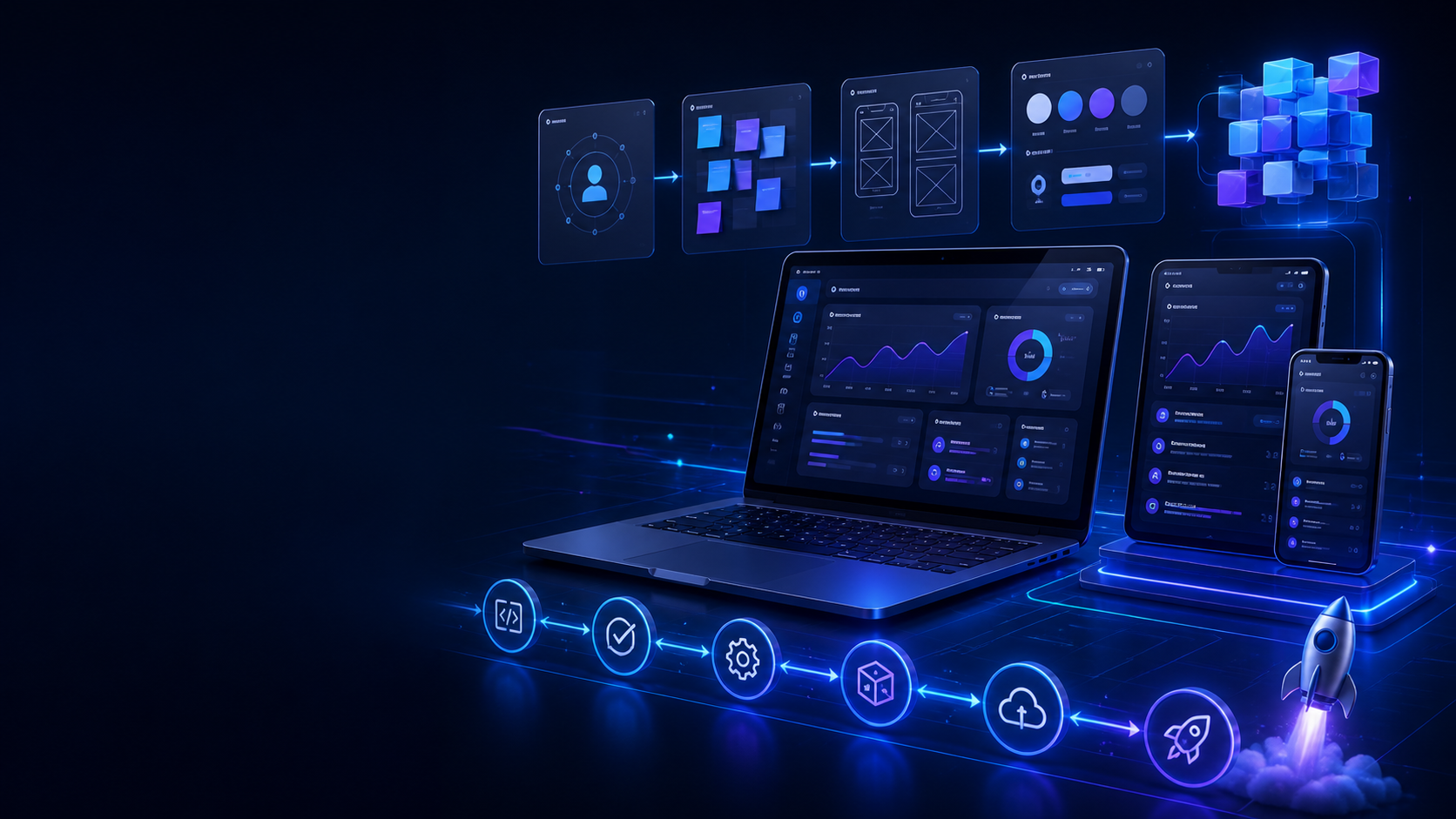
Great digital products are not just built — they are discovered, designed, engineered, and continuously evolved. The difference between a product that becomes essential and one that gets abandoned after three months usually comes down to how well the team understands users, how fast they can iterate, and how well the engineering foundation supports growth.
At Nimaisoft, we operate as a full-cycle product engineering partner. We embed with your team (or operate as your team) from the first whiteboard session through to production, post-launch optimisation, and long-term product evolution.
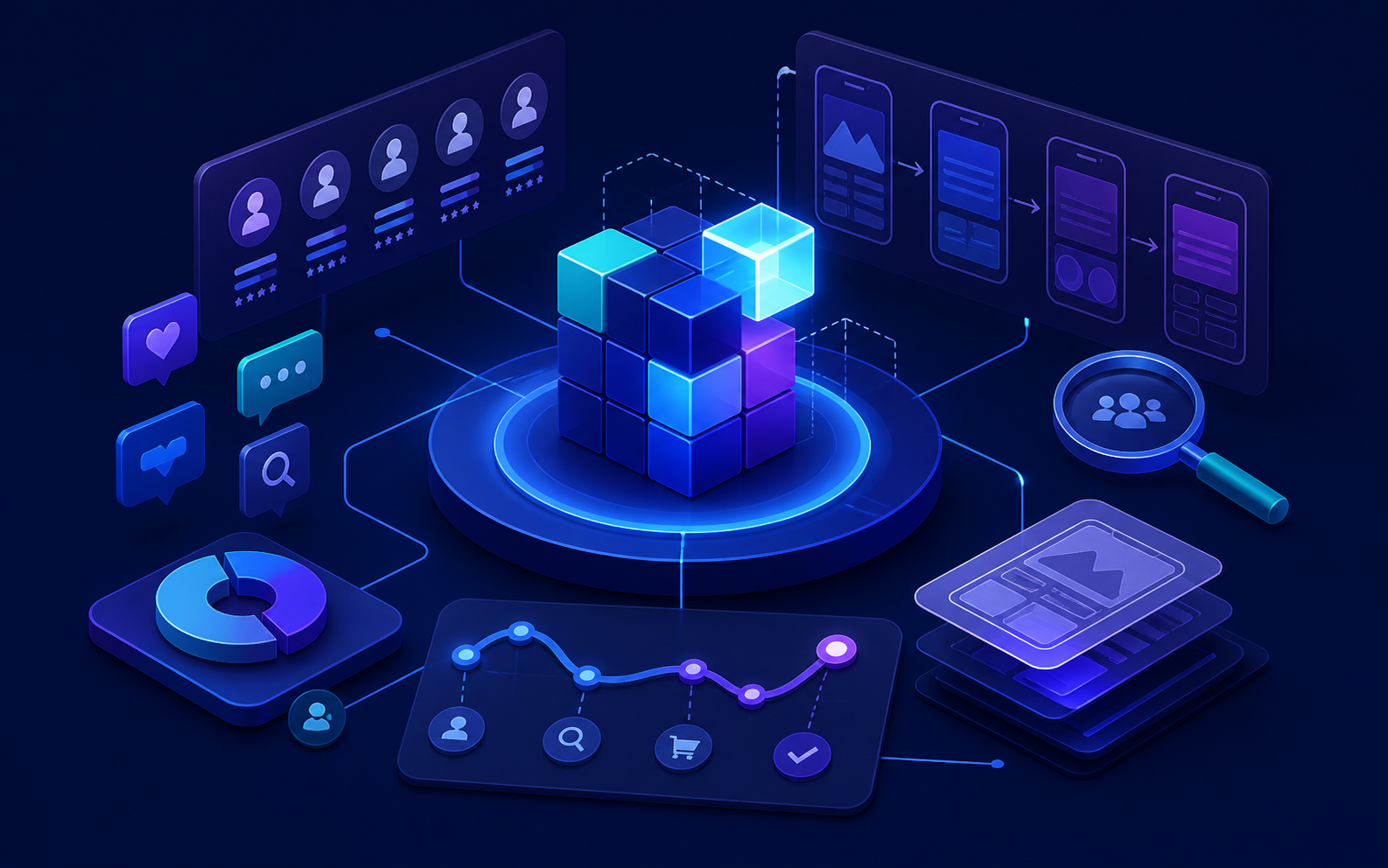
The most expensive mistake in product development is building the wrong thing. Product discovery is the process of ensuring that what you build is what users actually need and what the business actually requires — before significant engineering effort is invested.
We run structured discovery engagements that combine stakeholder interviews, user research, competitive analysis, and technical feasibility assessment. The output is a validated product brief, a prioritised feature backlog, and a user journey map that guides all subsequent design and engineering decisions.
Discovery activities:
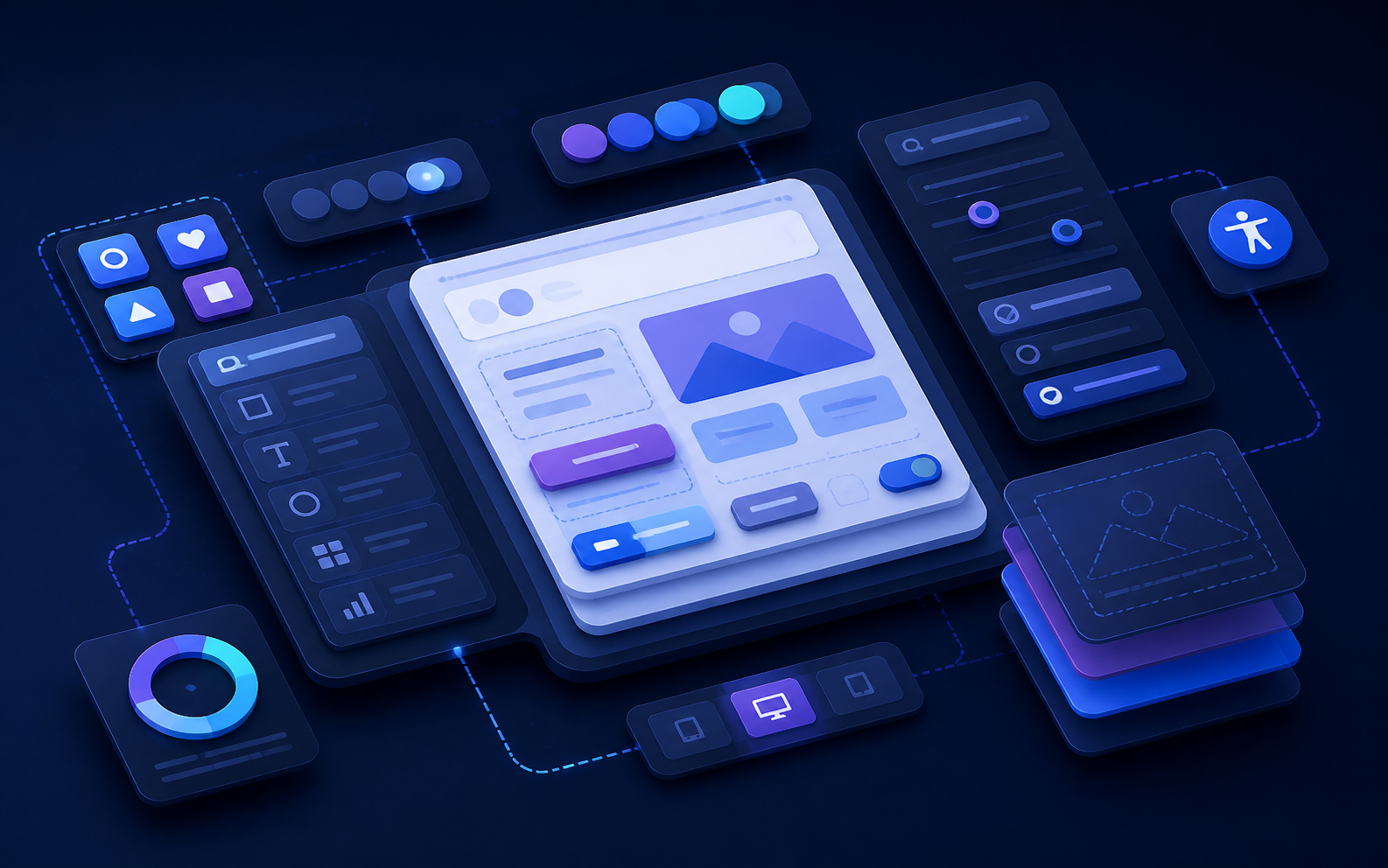
Design is not how a product looks — it is how it works. A beautiful interface that confuses users is worse than a simple one that they understand immediately. We design for clarity, efficiency, and delight — in that order.
Our design process runs from low-fidelity wireframes through interactive prototypes to a complete design system with reusable components. Every design decision is grounded in user research and validated through usability testing before development begins. The design system we deliver becomes your team's ongoing design language — consistent, documented, and ready to extend.
What we deliver:
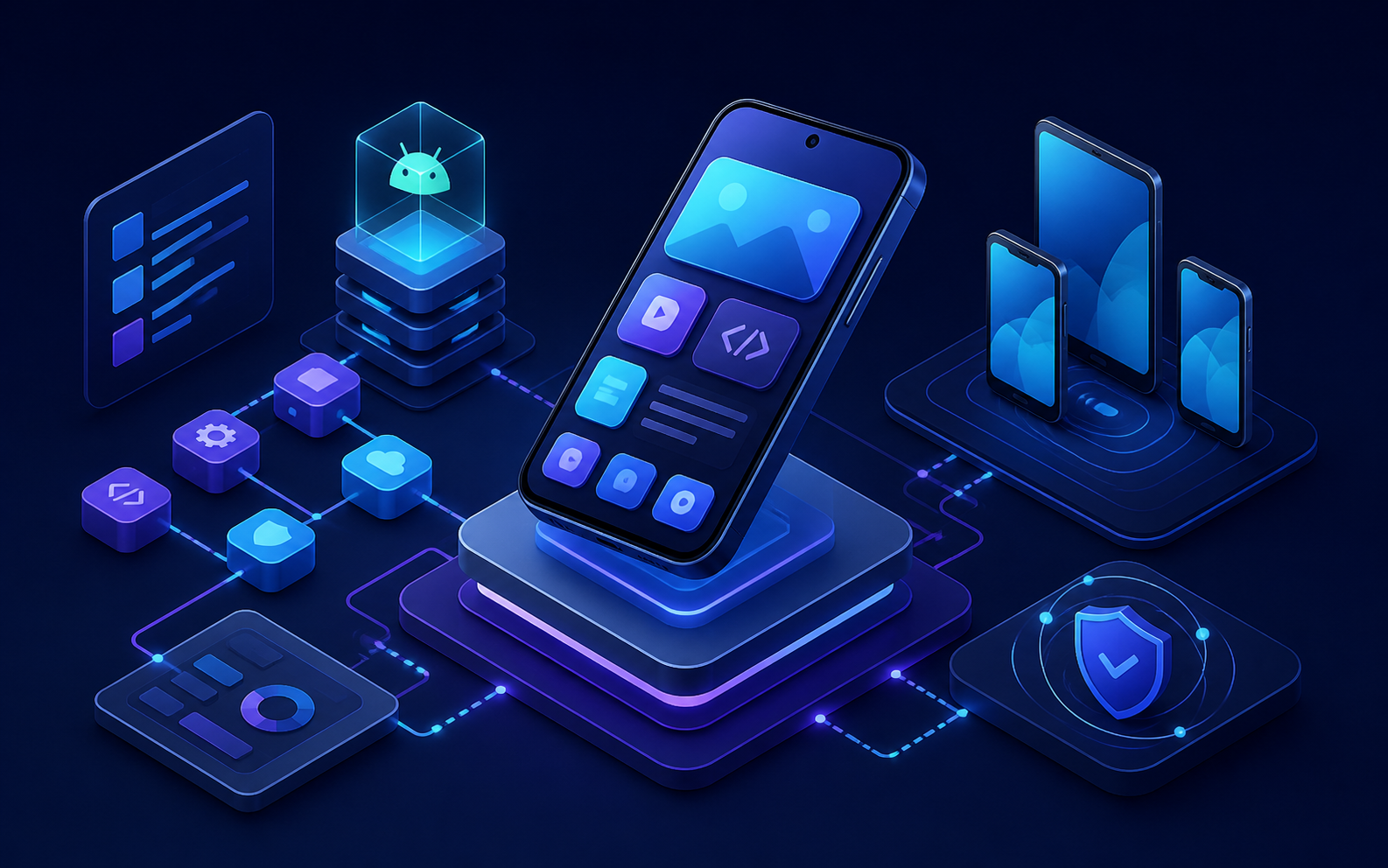
Android is India's dominant mobile platform — with over 95% market share in the consumer segment. Building for Android well means understanding Material Design 3, the fragmented device landscape, and the specific performance characteristics of mid-range and budget devices that most Indian users own.
We build Android applications in Kotlin using Jetpack Compose for the UI layer and the modern Android architecture stack — ViewModel, StateFlow, Hilt, Room, and Retrofit. Our apps are built for performance on mid-range devices, are accessibility-compliant, and go through rigorous testing on a device matrix before release.
Our Android capabilities:
iOS users represent a disproportionately high-value customer segment in both India and global markets. iPhone users transact more, engage more, and retain better than average — making iOS a priority platform for consumer and enterprise applications.
We build iOS applications in Swift using SwiftUI and the modern Apple ecosystem — Combine, async/await, Core Data, and CloudKit. We maintain close alignment with Apple Human Interface Guidelines to ensure apps feel native and pass App Store review without friction.
For many products, building separate native apps for Android and iOS doubles your development cost and creates maintenance overhead when features need to be built twice. Modern cross-platform frameworks have closed the gap with native significantly.
We specialise in Flutter — Google's cross-platform framework that produces genuinely native-feeling apps for Android, iOS, web, and desktop from a single codebase — and in Kotlin Multiplatform (KMP), which shares business logic between platforms while keeping native UI layers. Both approaches dramatically reduce time to market while maintaining high quality.
When to choose each:
Modern web applications are not simple websites — they are sophisticated, real-time, interactive experiences that run in the browser but feel as fast and capable as desktop software. The web stack has evolved dramatically, and building well for the web today requires deep expertise in modern frameworks and performance engineering.
We build web applications using Next.js and React as our primary stack, with TypeScript throughout for reliability. We use server components and streaming for optimal performance, Tailwind CSS for consistent styling, and shadcn/ui for accessible, customisable UI components.
What we build:
Progressive Web Apps combine the reach of the web with the capabilities of native apps — they install to the home screen, work offline, send push notifications, and load instantly. For businesses that need broad reach without the friction of app store downloads, PWAs are a powerful option.
We build PWAs that meet the Lighthouse PWA checklist, implement service workers for offline capability and push notifications, and pass Core Web Vitals thresholds for Google Search ranking. PWAs are particularly effective for content-heavy applications, e-commerce, and business tools where app store distribution is a barrier.
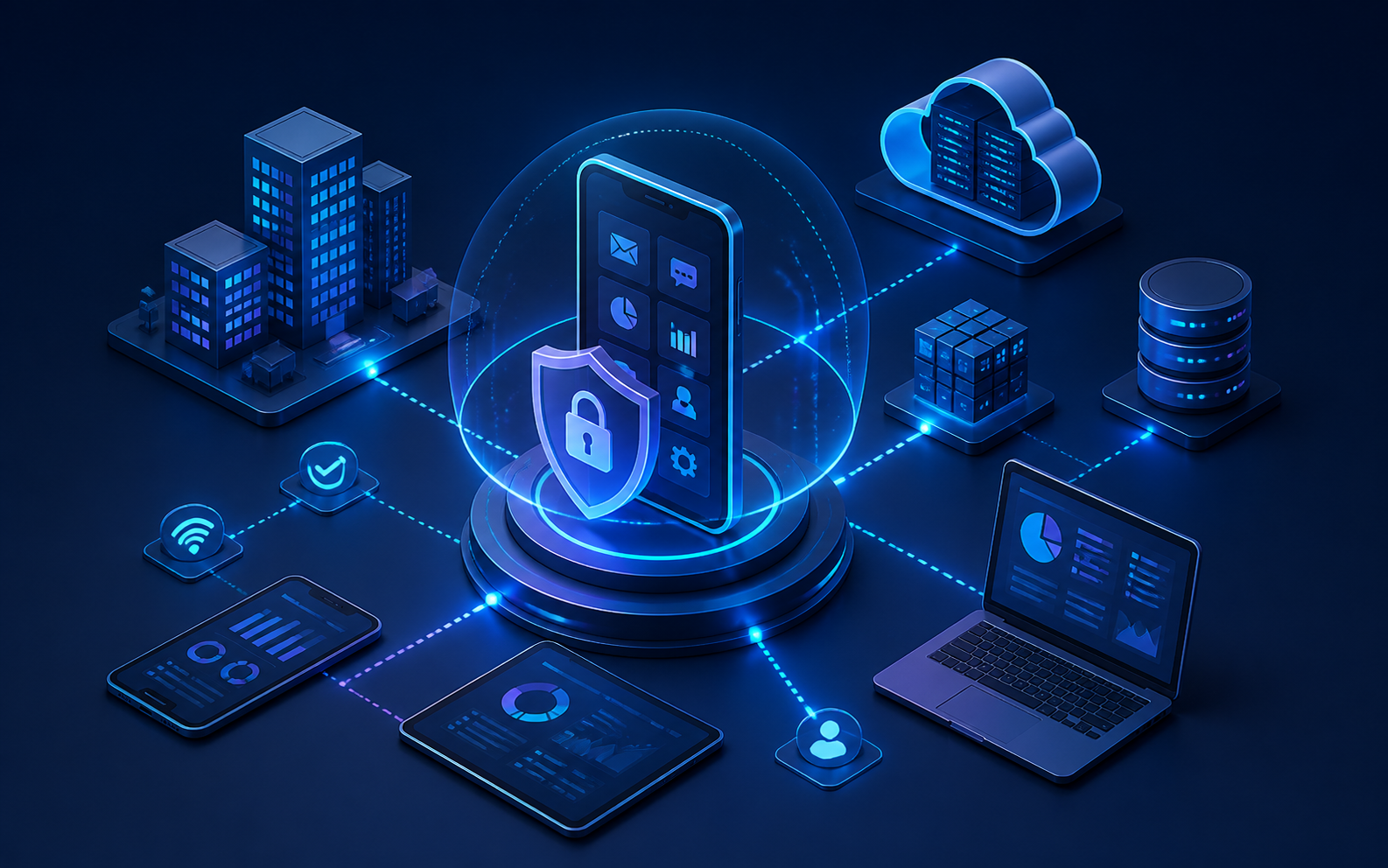
Enterprise mobile apps serve employees, field teams, and partners rather than end consumers. They have different requirements — deep integration with enterprise systems like ERP, CRM, and HRMS; mobile device management (MDM) compatibility; offline capability for field use; and strict security requirements.
We build enterprise mobility solutions that integrate with SAP, Salesforce, Microsoft Dynamics, Zoho, and custom enterprise APIs. We implement single sign-on (SSO) through corporate identity providers, design offline-first data sync for field teams with poor connectivity, and ensure compatibility with MDM platforms like Intune and VMware Workspace ONE.
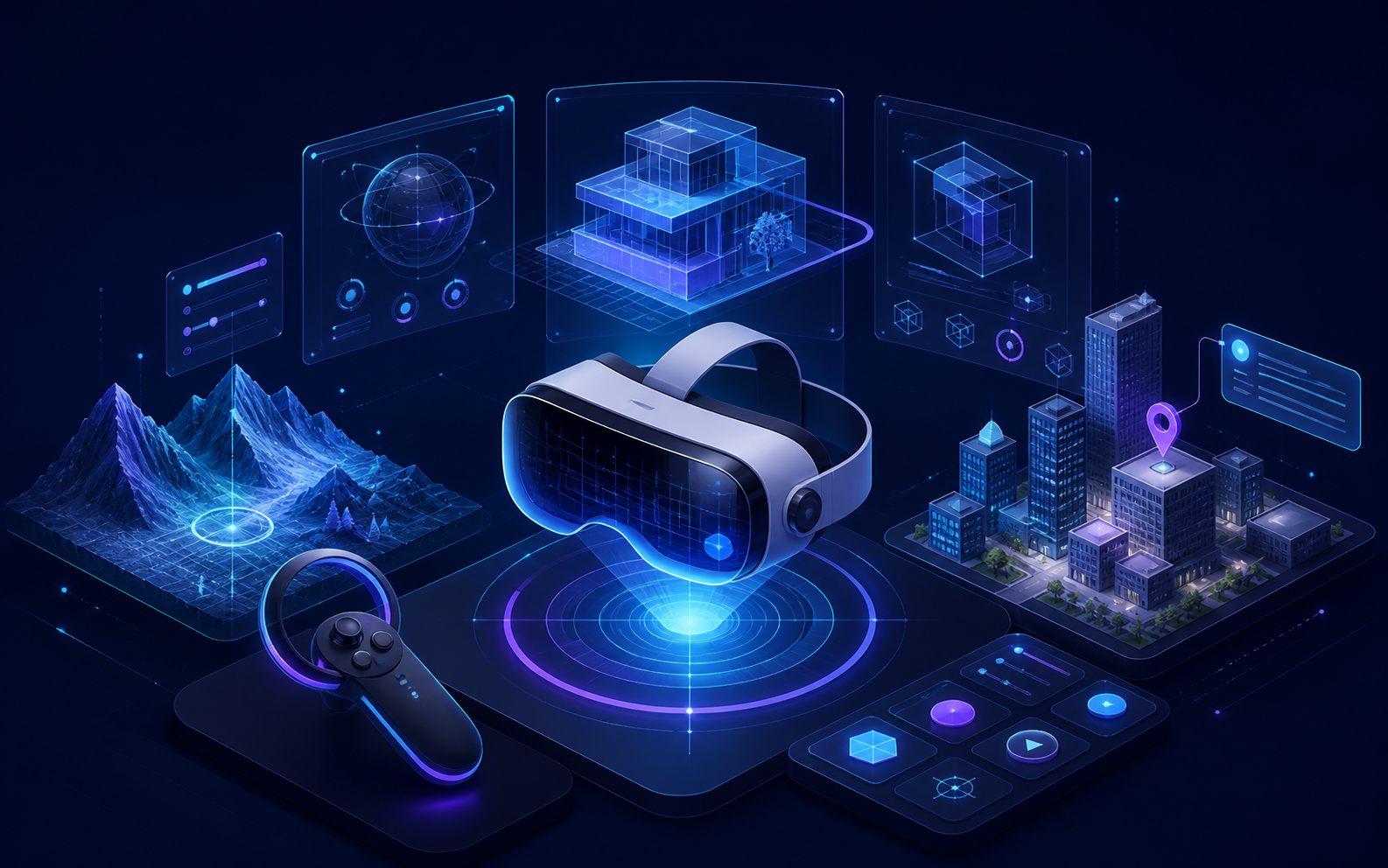
Augmented reality, virtual reality, and extended reality are no longer just consumer novelties. They are transforming training, field service, retail, real estate, manufacturing, and healthcare. The use of XR for employee training alone delivers significant cost savings while improving learning retention.
We build AR and VR experiences for industrial training simulations, product visualisation in retail and real estate, remote expert assistance for field technicians, and immersive data visualisation. We work with Unity and Unreal Engine for rich 3D experiences and WebXR for browser-based AR experiences that require no app download.
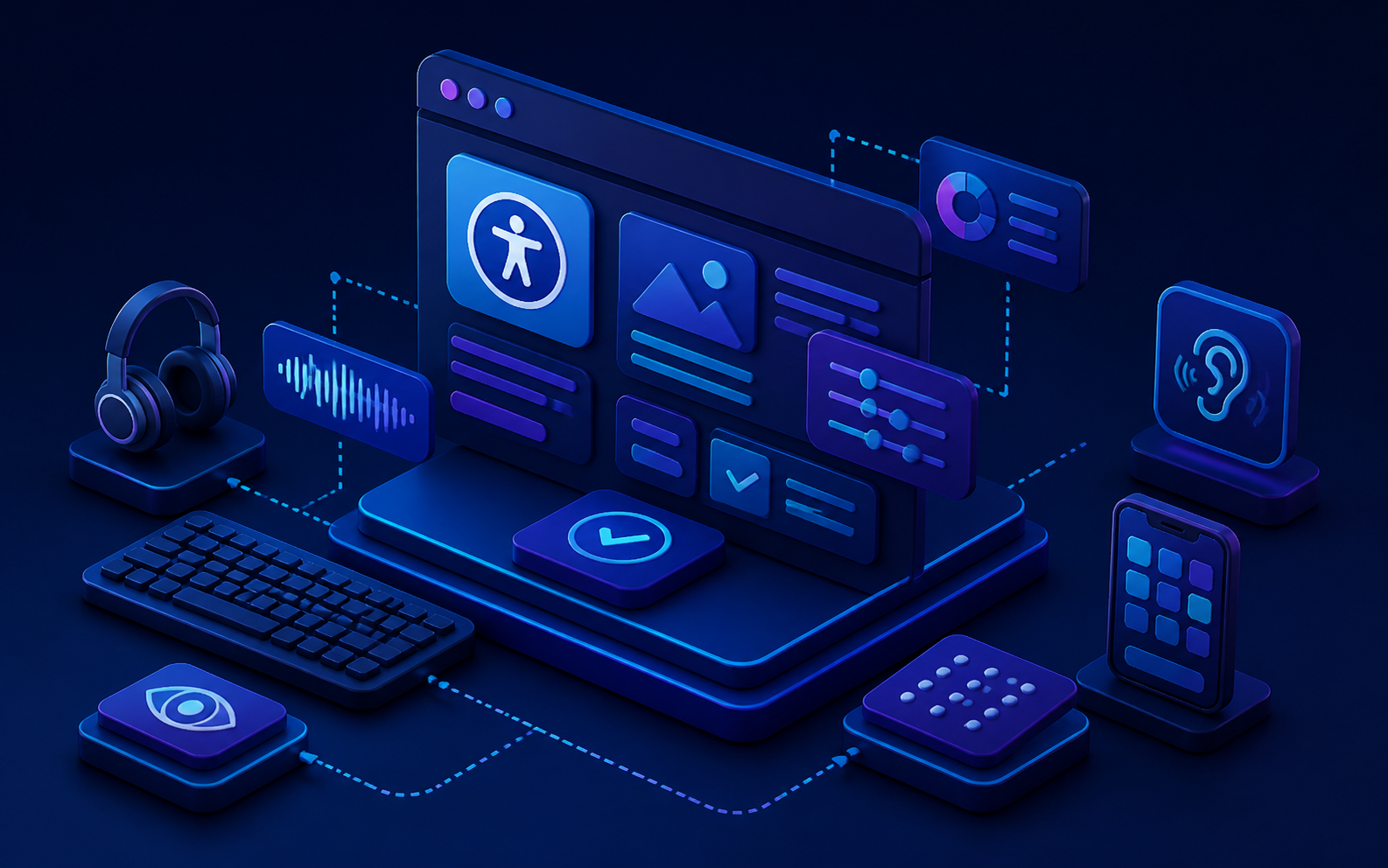
Accessibility is not optional — it is a legal requirement in many markets and a fundamental quality standard for any serious digital product. An inaccessible product excludes users with disabilities and exposes your business to legal risk.
We build accessibility into every product from the start rather than retrofitting it at the end. We follow WCAG 2.1 AA guidelines, conduct screen reader testing on both iOS VoiceOver and Android TalkBack, test with keyboard-only navigation, and verify colour contrast across all UI states. We also conduct formal accessibility audits of existing products and deliver a remediation roadmap.
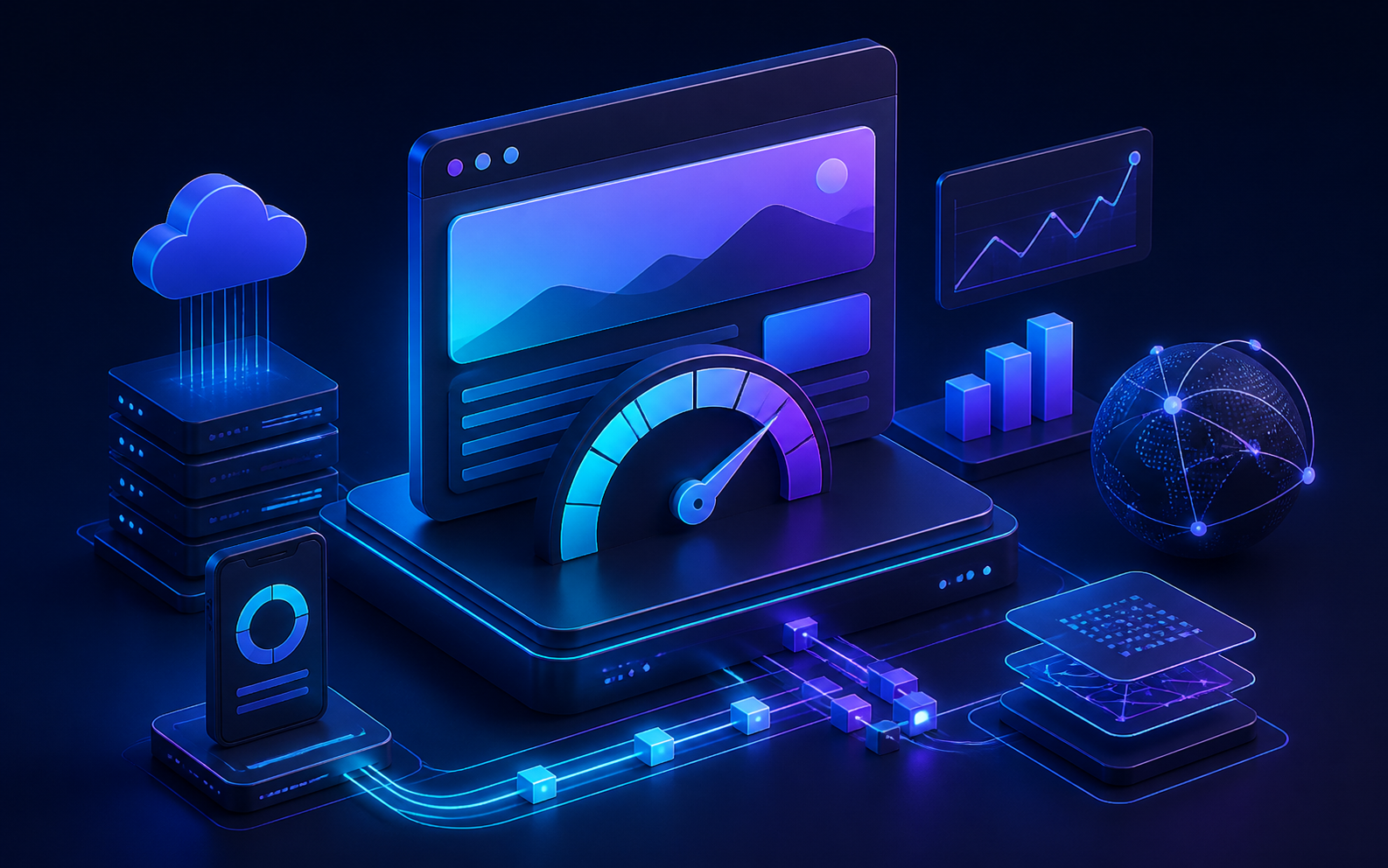
A one-second delay in mobile page load can reduce conversions by 20%. Performance is a product feature — it directly affects user satisfaction, search engine ranking, and business outcomes. Most applications are not built with performance as a priority and accumulate significant performance debt over time.
We conduct performance audits, identify bottlenecks across the full stack (network, rendering, JavaScript execution, API response times, database queries), and implement targeted optimisations. We set up Real User Monitoring (RUM) to track Core Web Vitals in production and alert on regressions.
Products do not stop needing engineering attention after launch — they need ongoing maintenance, dependency updates, performance monitoring, user feedback integration, and continuous feature development. Without good post-launch support, products decay.
We offer managed product engineering retainers where our team takes ongoing responsibility for a product — handling bug fixes, security updates, performance monitoring, and feature development on a monthly or quarterly cycle. This gives you a reliable engineering partner for the long term without the overhead of full-time hiring.